People & traditions
Camel chants at dawn, coffee that never stops being poured, and women who weave the desert into wool.
The Bedouin of Al Wahiba
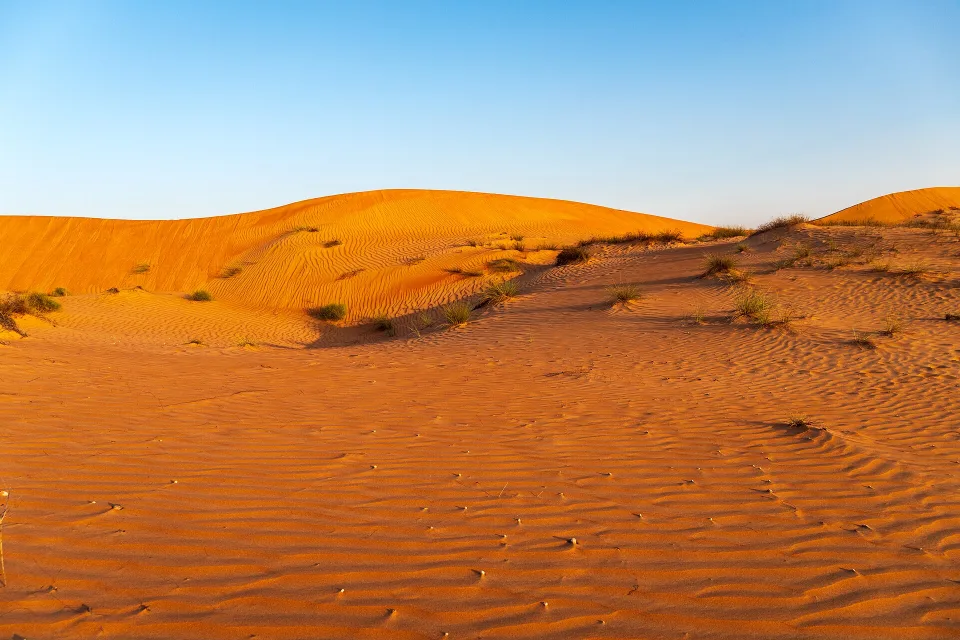
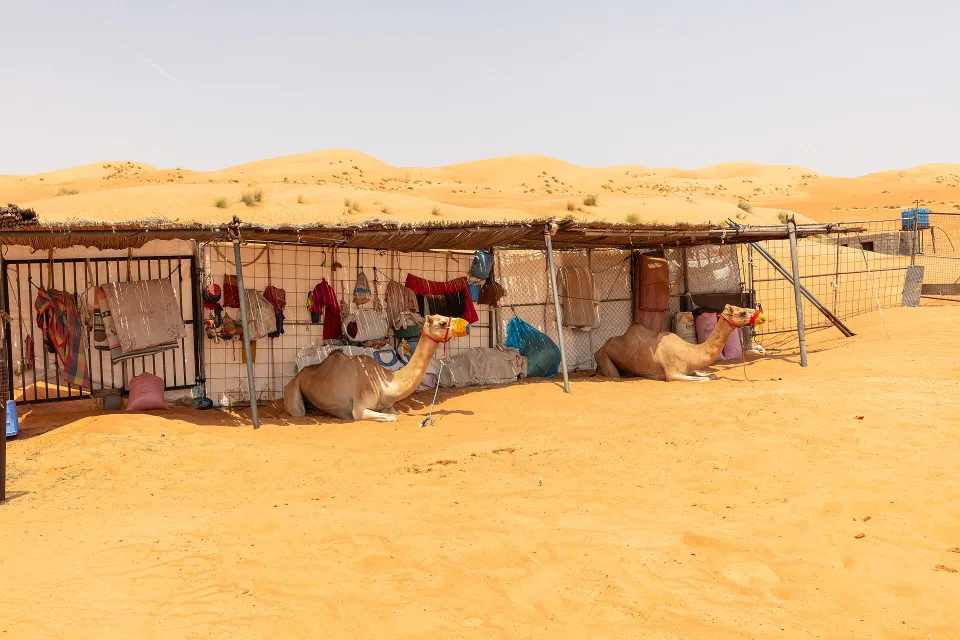
Around three thousand Bedouin, some five hundred families, still live inside the sand sea. For generations their wealth was camels and goats: milk, butter, cheese and meat, with fish traded up from the coast and dates, limes and mangoes traded down from the oases. Every summer the families moved to the palm gardens of Al Mintirib and Al Hawiyah for the harvest.
Elders still remember hanging a camel skin at night to collect dew, and learning to write on a shoulder blade. Pickups replaced the caravans and houses replaced many tents, but the majlis, the hospitality and the camels are exactly where they were.
People & traditions
'Ardah camel racing
More parade than sprint. Caravans in traditional dress enter the track at sunrise with sticks and khanjars, chanting, before camels run singly and in pairs. Owners say their camels are the best in the Gulf.
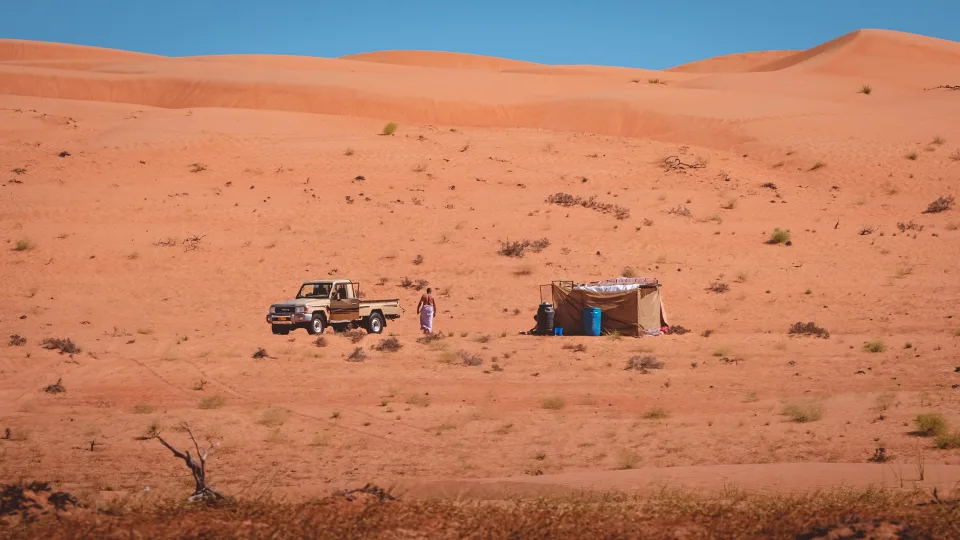
Taghrud, the camel-back poem
Improvised Bedouin chant sung back and forth between riders, at campfires and weddings. Listed by UNESCO as intangible heritage in 2012. In Al Rakah the evenings end with Al-Wanna singing.
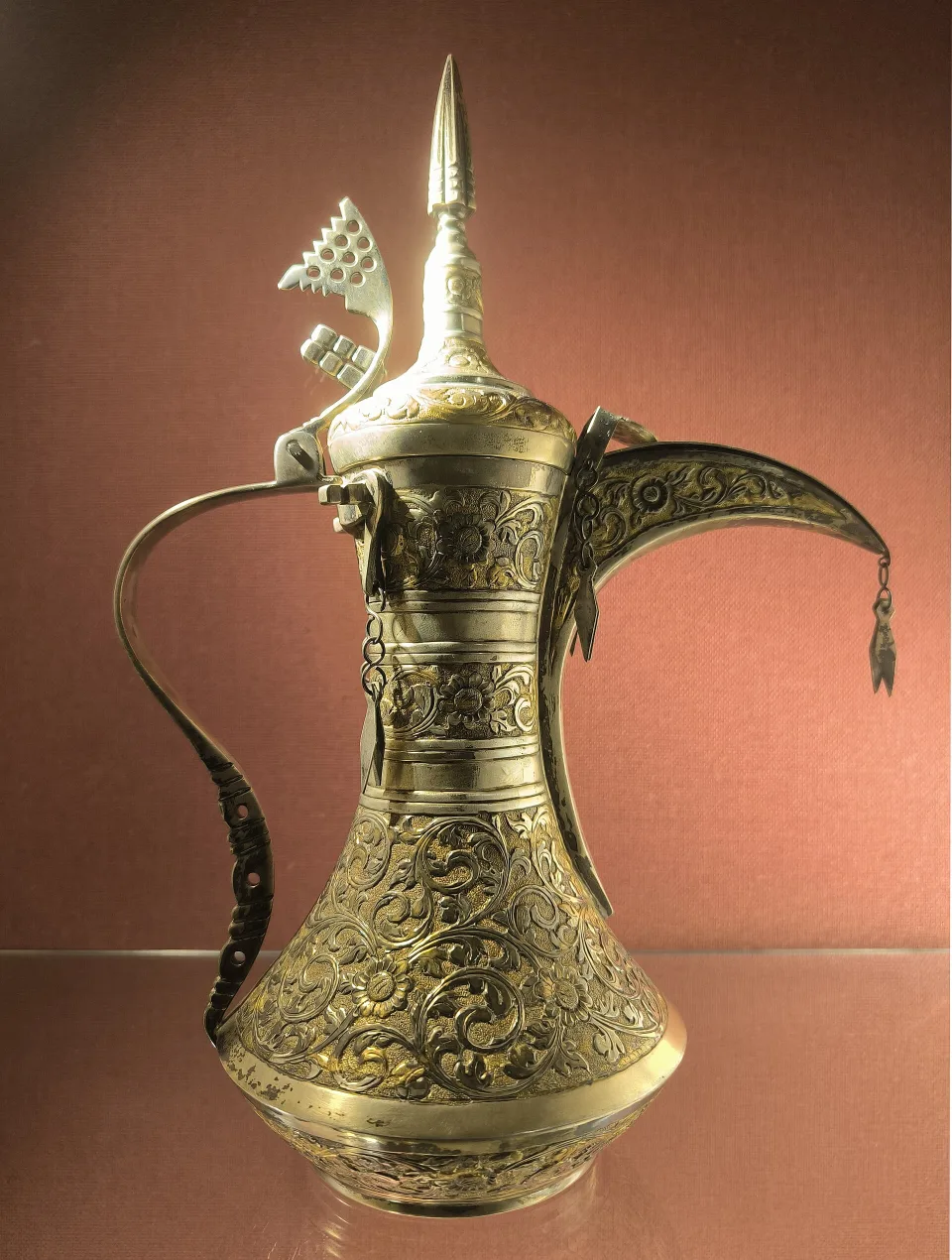
Coffee before questions
A guest is served cardamom coffee and dates before anything else is discussed. Shake the cup when you have had enough. Charging a guest is considered shameful.
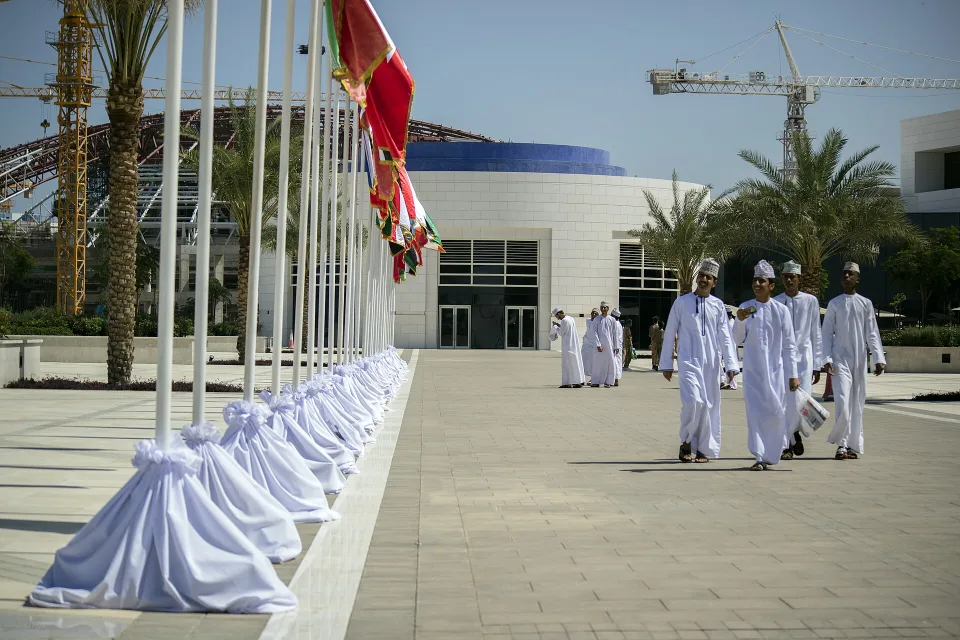
Dishdasha, mussar and burqa
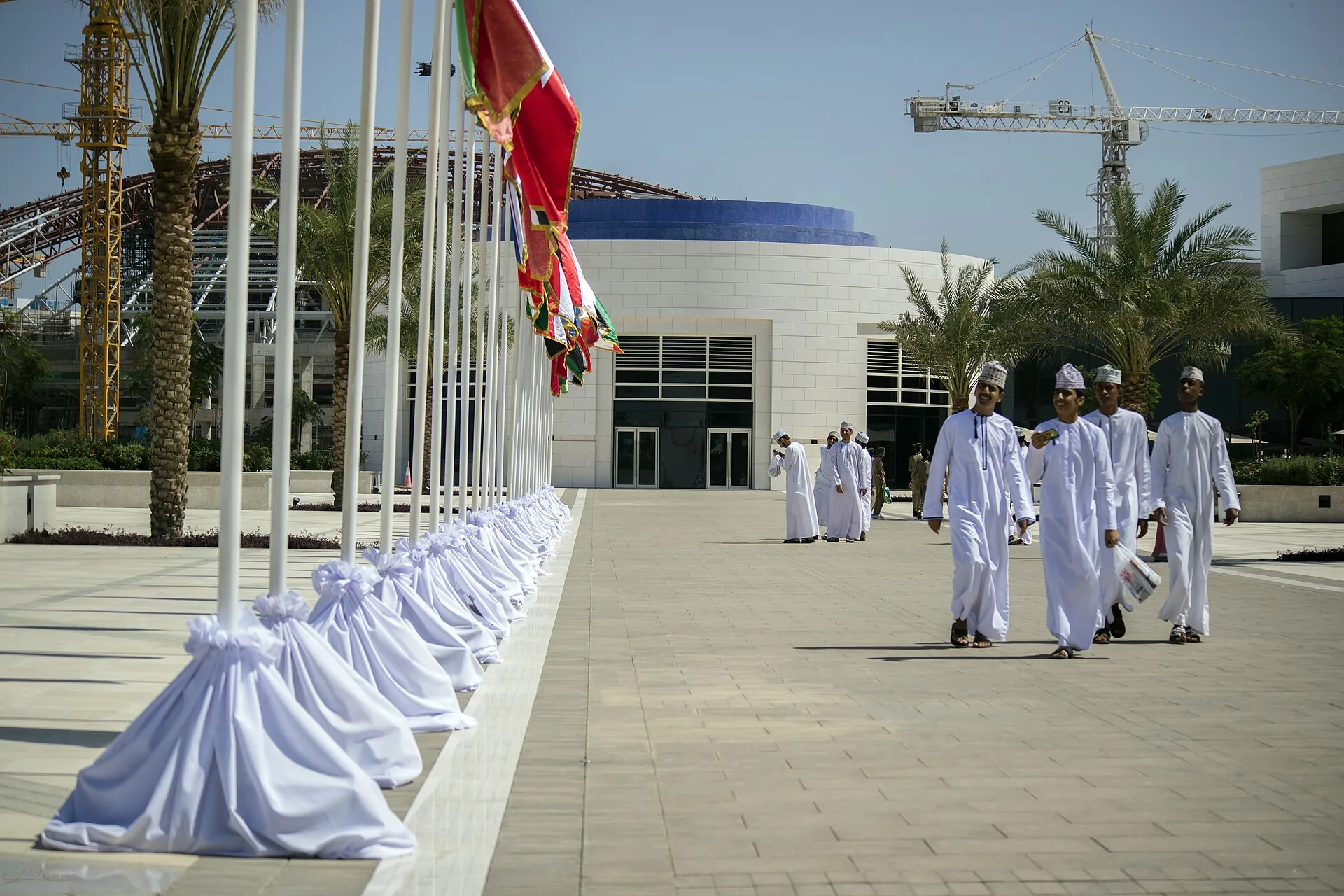
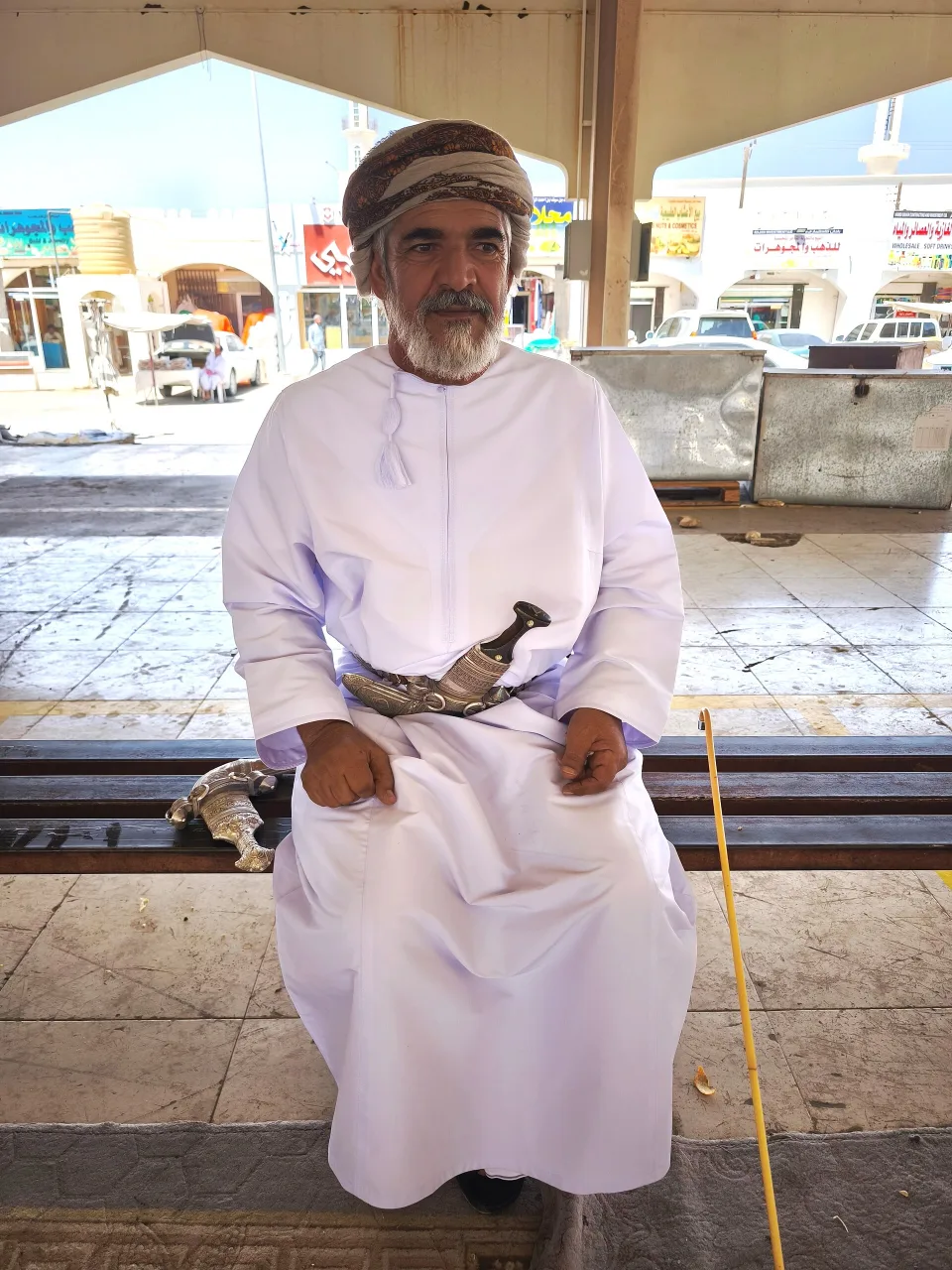
Men wear the white dishdasha with a mussar turban or kummah cap, and the khanjar on formal days. Bedouin women wear bright dresses and the polished indigo burqa mask, a shield against sun and sand.
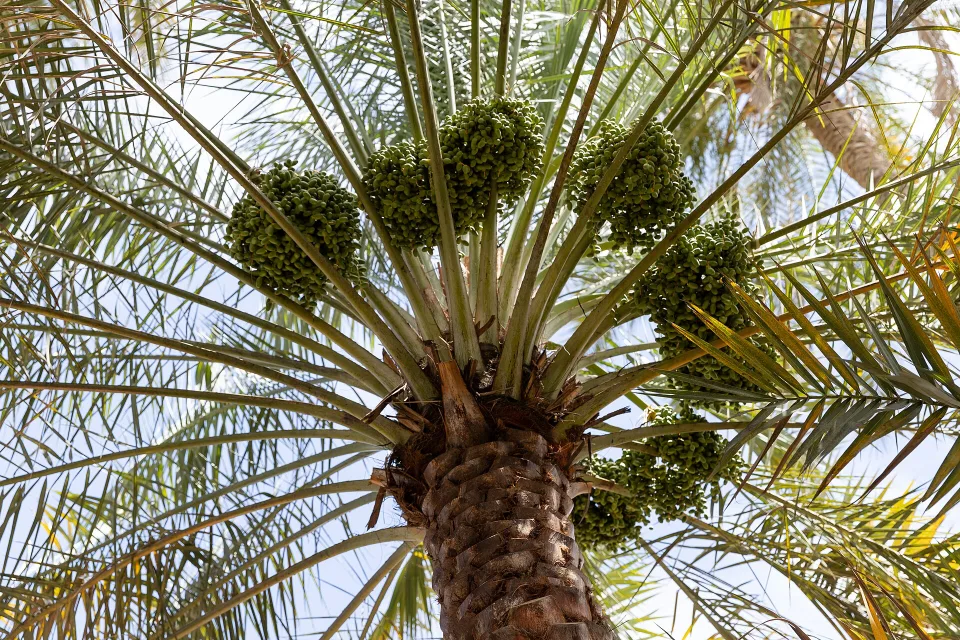
Tabseel, the date harvest
From June to September families pick yellow Mabsali dates before sunrise, boil them in copper marjal pots at the tarakbah, and dry them on the sand for days. The whole village takes part.
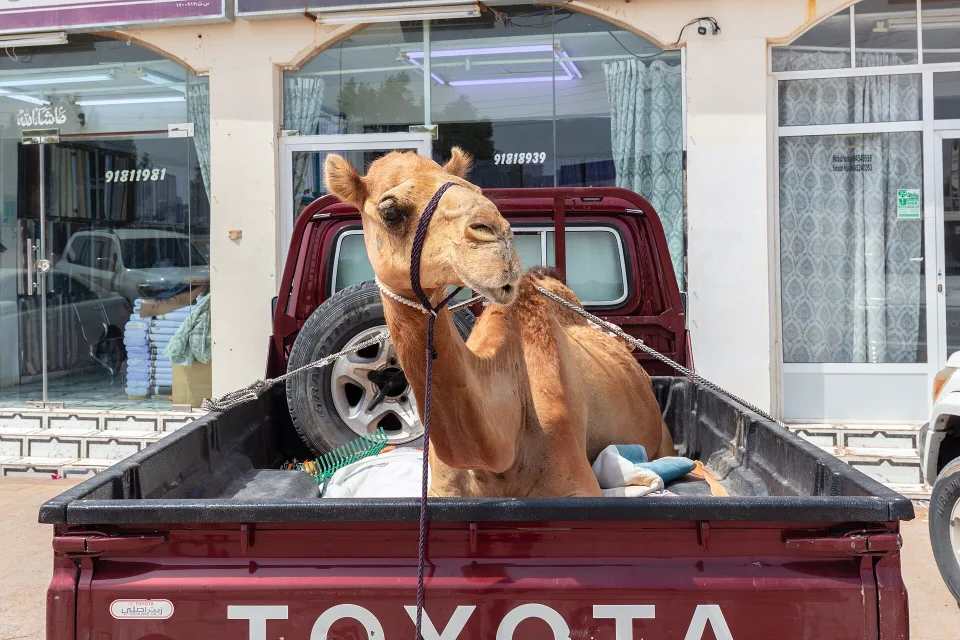
Wednesday souq and Eid habta
Every Wednesday Al Mintirib fills with Bedouin and villagers trading livestock, dates and goods. Before each Eid the habta market adds sweets, crafts and new clothes.
What is on the carpet
Desert food is slow, shared and sweet at the end.
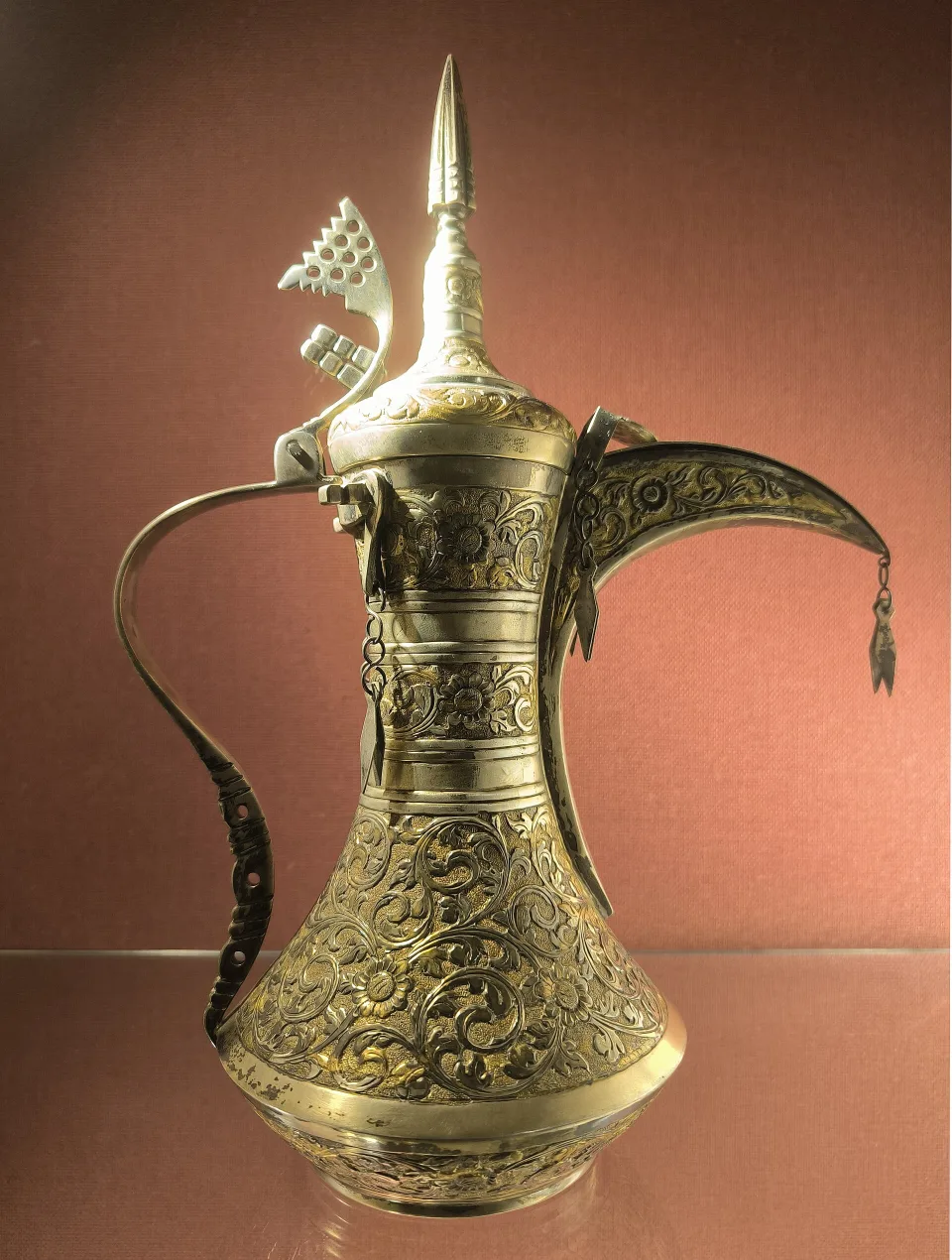
Kahwa & dates
Light cardamom coffee in small cups, poured until you shake the cup, always with Mabsali or Khalas dates.
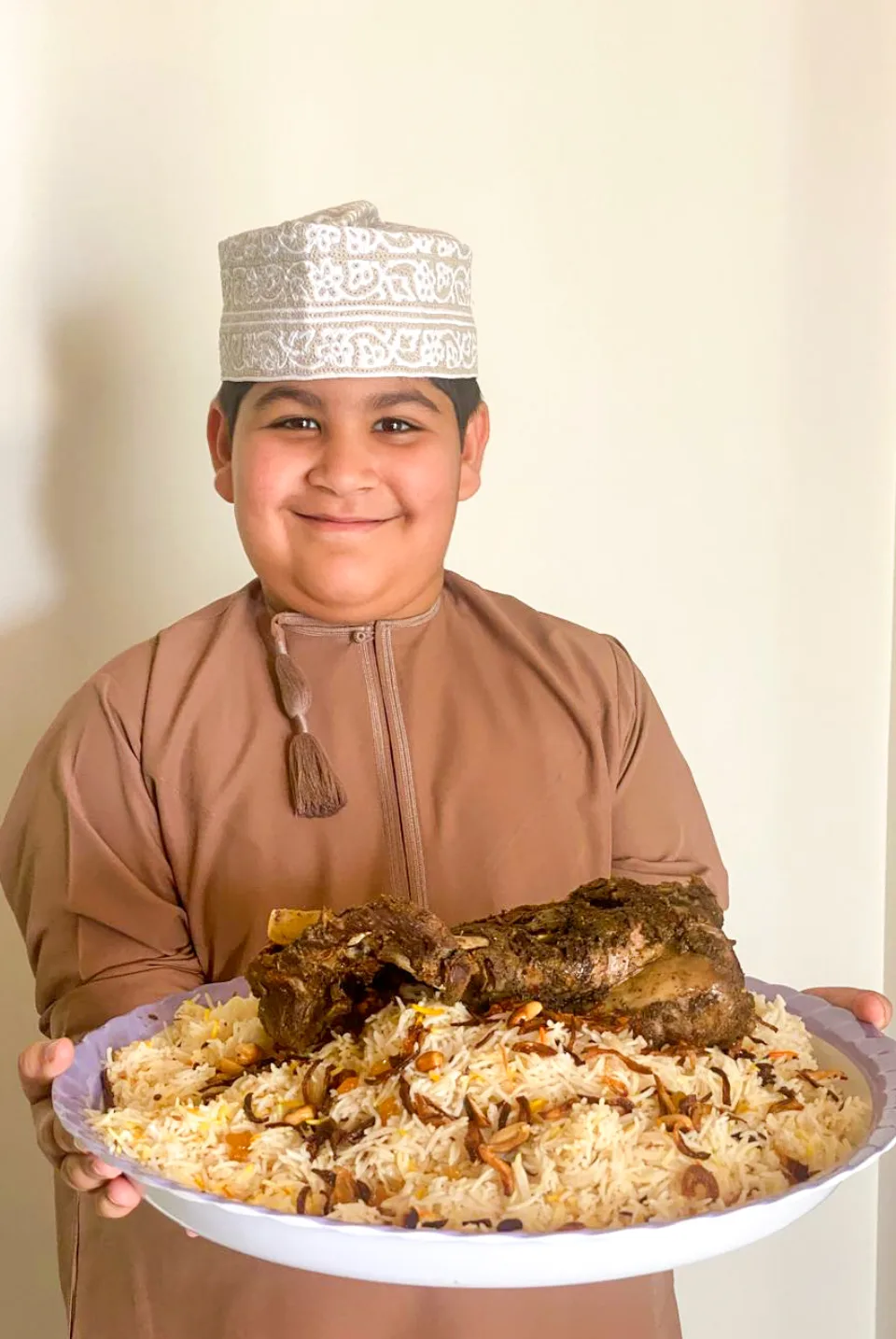
Shuwa
Lamb or goat marinated in spices, wrapped in palm leaves and buried over coals for a day or two. The Eid dish.
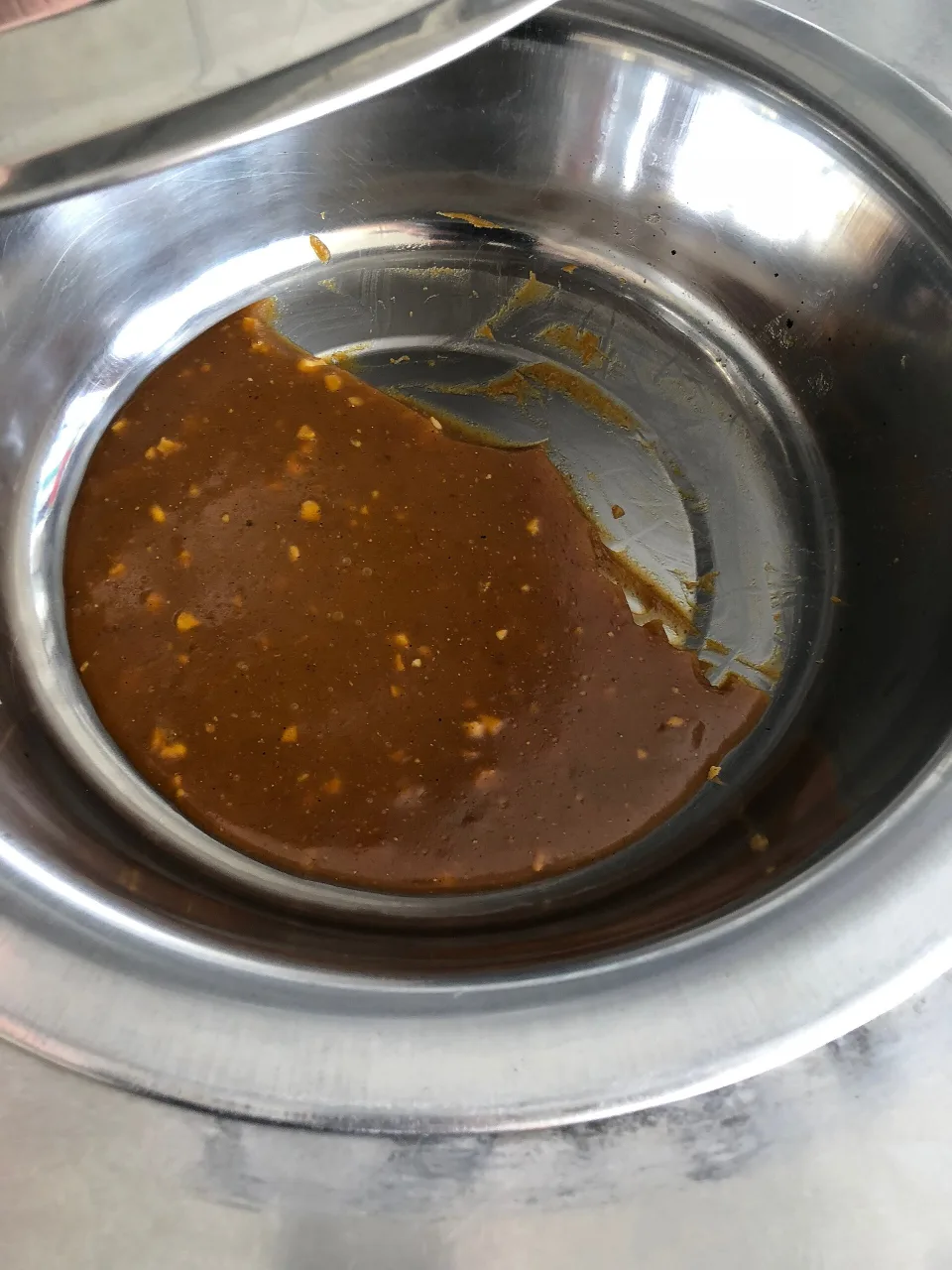
Omani halwa
Sugar, saffron, cardamom, rosewater and nuts stirred for hours into a dark, glossy sweet.
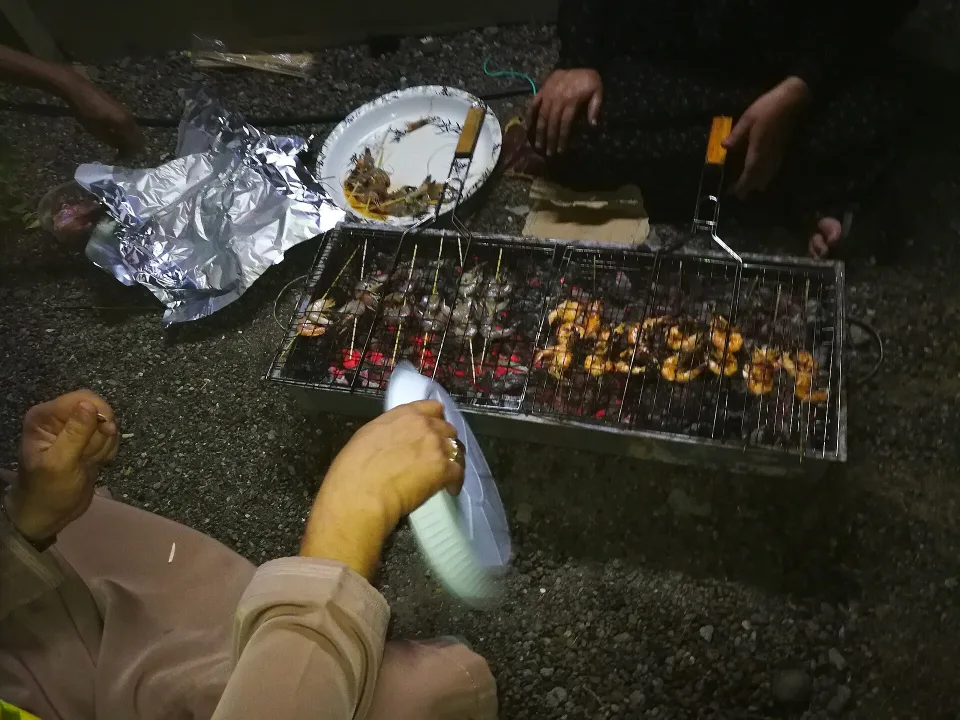
Mishkak skewers
Marinated beef or chicken skewers grilled over coals: the evening barbecue at the camps and souq stalls, eaten with paper-thin rukhal bread and sweet tea.
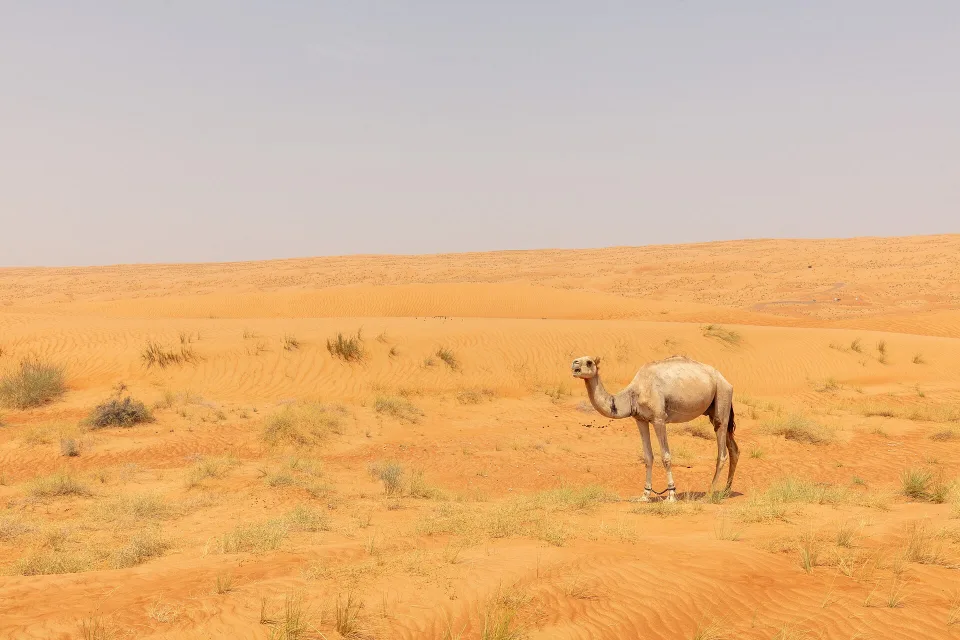
Camel milk & meat
Fresh camel milk at Bedouin tents, and camel meat with rice at the camps on feast nights.
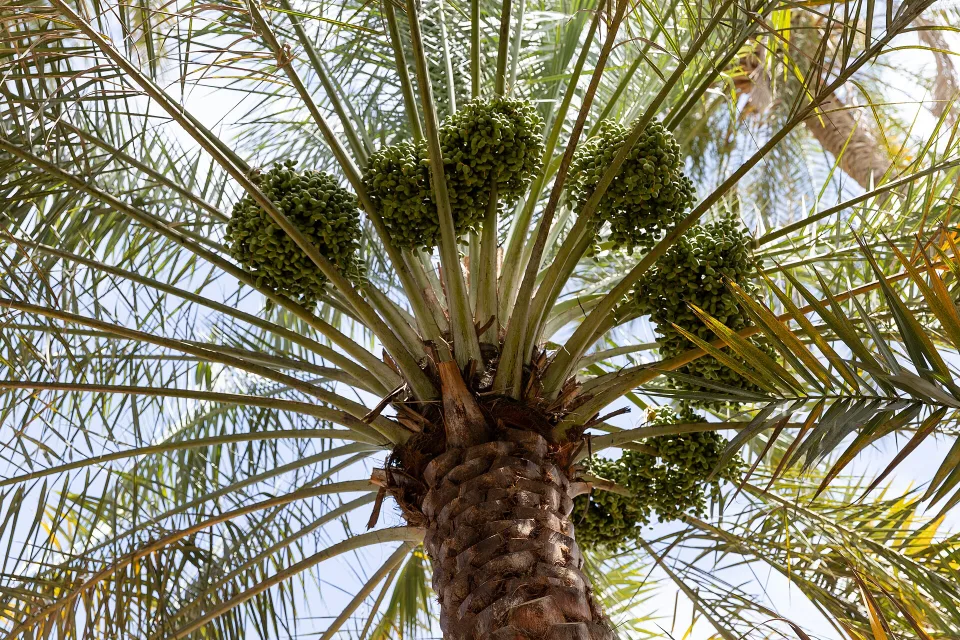
Mabsali dates
Bidiyah's emblem: boiled and sun-dried so it keeps a year, once shipped by camel caravan to India.
Made by hand, at the dune edge
Bedouin women work ground looms outside the tent; men work leather, palm and silver.
Sadu weaving
Bright wool rugs, camel trappings, key-rings and bags woven on a ground loom. Look for them at the camps and the habta market.
Palm-frond work
Baskets, mats, ropes and the barasti huts of the camps are all made from the date palm.
Khanjar & silver
The curved Omani dagger with its silver sheath is worn at races and weddings; the silver souq of nearby Ibra is the place to buy.
Leather & camel gear
Tanned goat hide, water skins, saddles and decorated bridles for the racing camels.
Words from the desert
Tap a card to flip it